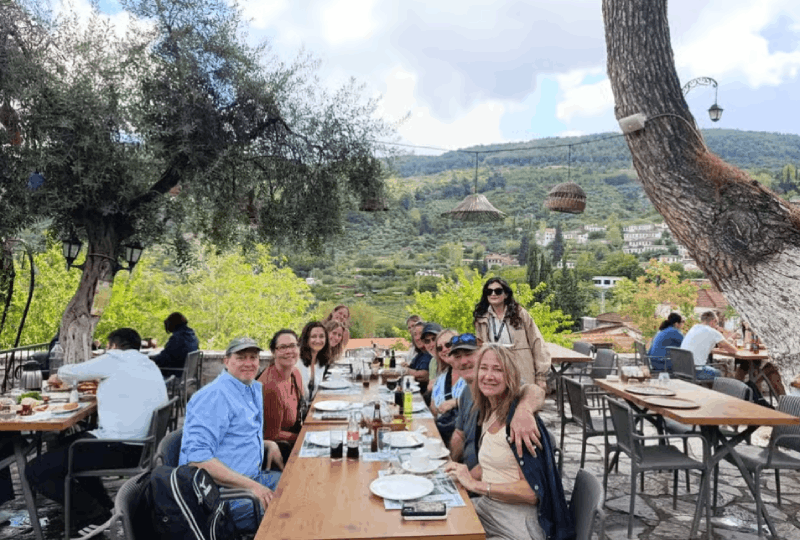
Average Cenote Tour Prices by Season and Region
| Region | Season | Typical Group Tour (2‑4 hrs) | Private Guided Tour (2‑4 hrs) | Full‑Day Adventure (incl. multiple cenotes) | ||
|---|---|---|---|---|---|---|
| Riviera Maya (Playa del Carmen, Tulum) | High (Dec‑Apr) | US $55 – $70 / MXN 1,300 – 1,650 | US $120 – $150 / MXN 2,850 – 3,600 | US $180 – $230 / MXN 4,300 – 5,500 | ||
| Riviera Maya | Low (May‑Nov) | US $45 – $60 / MXN 1,050 – 1,400 | US $100 – $130 / MXN 2,400 – 3,120 | US $150 – $200 / MXN 3,600 – 4,800 | ||
| Valladolid / Chichén Itzá corridor | High | US $40 – $55 / MXN 950 – 1,300 | US $90 – $115 / MXN 2,150 – 2,750 | US $130 – $170 / MXN 3,100 – 4,050 | ||
| Valladolid | Low | US $35 – $48 / MXN 830 – 1,140 | US $80 – $105 / MXN 1,900 – 2,500 | US $120 – $155 / MXN 2,850 – 3,700 | ||
| Cozumel & Isla Mujeres (off‑shore cenotes) | High | US $55 – $75 / MXN 1,300 – 1,800 | US $130 – $165 / MXN 3,100 – 3,950 | US $200 – $260 / MXN 4,800 – 6,200 | ||
| Cozumel & Isla Mujeres | Low | US $48 – $65 / MXN 1,150 – 1,550 | US $115 – $145 / MXN 2,750 – 3,460 | US $180 – $230 / MXN 4,300 – 5,500 | ||
| Campeche (Cenotes of the Puuc) | High | US $38 – $52 / MXN 900 – 1,240 | US $85 – $110 / MXN 2,030 – 2,620 | US $120 – $155 / MXN 2,850 – 3,700 | ||
| Campeche | Low | US $32 – $45 / MXN 760 – 1,070 | US $75 – $95 / MXN 1,790 – 2,260 | US $110 – $140 / MXN 2,620 – 3,340 |
Seasonal Price Drivers
1. High‑Season Demand (December‑April). Tourist influx from North America and Europe raises occupancy for transport and accommodation, prompting operators to increase tour fees by 10‑20 %. Peak pricing coincides with school holidays and the dry, cooler climate that makes swimming more comfortable.
2. Low‑Season Discounts (May‑November). Rainfall and higher humidity reduce visitor numbers, encouraging operators to offer 5‑15 % discounts, especially on multi‑cenote packages. Some operators add complimentary equipment (snorkel kits, life‑vests) to maintain appeal.
3. Holiday Peaks (Easter, Thanksgiving, Christmas). Short‑term spikes can add a surcharge of US $5‑$10 per person for group tours, reflecting higher staffing costs.
Regional Price Influences
- Riviera Maya commands the highest rates due to proximity to major resorts, well‑developed infrastructure, and the popularity of iconic cenotes such as Gran Cenote, Dos Ojos, and Cenote Azul. Private tours often include transportation in air‑conditioned vans, which contributes to the premium.
- Valladolid & Chichén Itzá corridor offers lower baseline prices because many cenotes (e.g., Cenote X’keken, Cenote Samulá) are accessed via public roads and can be reached on foot or by local taxis. Operators frequently bundle cenote visits with Maya‑site entrance tickets, creating cost efficiencies.
- Cozumel & Isla Mujeres present higher costs per hour due to boat transfers required to reach offshore cenotes (e.g., Cenote Angelita, Cenote El Pich). Fuel surcharges are reflected in the price tables.
- Campeche’s Puuc region remains the most affordable, with fewer tourists and limited competition among tour operators. Prices are lower despite longer travel distances because most cenotes are situated near archaeological sites, allowing shared logistics.
Price Comparison by Tour Type
- Group Tours (2‑4 hrs). Typically include a guide, basic safety equipment, and a brief introduction to cenote formation and ecology. Prices are the most stable across seasons, fluctuating mainly with regional demand.
- Private Guided Tours (2‑4 hrs). Offer customized itineraries, flexible start times, and optional add‑ons such as underwater photography lessons or bioluminescence night swims. The price premium ranges from US competitive prices‑competitive prices, depending on region and season.
- Full‑Day Adventures (6‑8 hrs). Combine three to five cenote visits, often with a lunch stop and optional activities (zip‑line, cave diving). The per‑person cost decreases when the group size exceeds eight, but the listed averages assume a standard group of 10 participants.
Budget Planning Tips
- Target low‑season months for group tours to capture the 10‑15 % discount without sacrificing water clarity; May and early October provide optimal balance.
- In high‑demand regions such as Riviera Maya, pre‑book private tours at least three weeks in advance to lock in early‑bird rates, which can be up to US $20 lower than on‑site pricing.
- For multi‑cenote itineraries, request a “package quote” that bundles transportation, entrance fees, and guide services; this often reduces the total cost by 5‑12 % compared with purchasing each component separately.
Understanding the interplay of seasonality and geography enables precise budgeting for cenote experiences, ensuring travelers can allocate funds efficiently while maximizing the number and quality of swims.
Detailed Cost Breakdown: Entrance Fees, Guides, and Transportation
Understanding the true cost of a cenote tour requires separating three primary expense categories: entrance fees, guide services, and transportation. Each varies by region, popularity, and season, allowing travelers to tailor a budget.
Entrance fees
Public cenotes such as Ik Kil, X’keken, and Dos Ojos charge standardized rates set by the Yucatán tourism board. In 2026 the average adult fee ranges from 150 to 250 pesos (UScompetitive prices).Children under 12 receive a 50 % discount; seniors (65 +) pay 30 % less. Groups of ten or more often qualify for reduced rates around 120 pesos. Private sites owned by cooperatives—e.g., Angelita or Sagrado—typically charge 300–450 pesos per adult because they include limited capacity and extra amenities. A modest conservation surcharge of 20 pesos is added at several eco‑focused cenotes.
Guide services
A certified guide improves safety, provides cultural context, and often grants access to restricted areas. In the Riviera Maya a licensed guide charges 350 pesos for a two‑hour session for up to eight people, dropping to 250 pesos for groups of twelve or more. Specialized tours that include snorkeling or night swimming add 150–200 pesos per person for equipment and expertise. Independent guides in Valladolid or Tulum may offer lower rates—around 200 pesos for a three‑hour group walk—but may lack formal certification. Verify the “Guía Certificado” badge issued by the Secretaría de Turismo.
Transportation
Reaching a cenote can be the largest variable cost. Public buses (camiones) between Playa del Carmen, Cancún, and inland towns run every 30 minutes and cost 12–18 pesos per ride, the most economical option. A final 5‑km taxi ride to the site averages 250 pesos. Shared shuttles bundled with entrance fees charge 500–650 pesos per adult for a full‑day itinerary covering two cenotes. For groups larger than ten, chartering a 12‑seat van costs roughly 2,200 pesos per day plus fuel (≈150 pesos for 150 km). Rental cars provide flexibility; compact rates range from 800 to 1,200 pesos daily, with fuel adding 100–150 pesos. Morning shuttles that depart before 8 am often receive a 10 % discount, making a round‑trip price of 450 pesos possible for the same two‑cenote itinerary. For eco‑conscious travelers, bike rentals are available in Tulum at roughly 120 pesos per day, allowing a 15‑kilometer ride to nearby cenotes such as Gran Prisión. Ride‑share apps operating in Playa del Carmen provide on‑demand rides at an average of 180 pesos per trip, a viable alternative when public transport schedules are limited.
Cost‑saving strategies
Combine entrance fees by purchasing a “Cenote Pass” that grants access to five popular sites for a flat 900 pesos, saving up to 30 % versus individual tickets. Traveling in May or October reduces guide and transport rates as operators lower prices for off‑peak visitors. Booking guides directly through local cooperatives eliminates the 10–15 % markup common on online platforms. Car‑pooling with fellow travelers via hostel boards can cut per‑person transport to under 100 pesos for a round‑trip visit, to share transport costs efficiently. Consider combining cenote visits with nearby archaeological sites to share transport costs.
By itemizing entrance fees, guide charges, and transportation expenses, travelers can construct a realistic budget ranging from roughly 700 pesos for a solo, self‑guided day trip to about 2,200 pesos for a private, multi‑cenote experience with professional guides and door‑to‑door transport.
Top-Rated Cenote Tours: User Reviews and Ratings Summary
Top‑Rated Cenote Tours: User Reviews and Ratings Summary
Across the Yucatán Peninsula, the most frequently booked cenote excursions consistently earn high marks for safety, guide expertise, and overall experience quality. Aggregating data from major travel platforms (TripAdvisor, Viator, GetYourGuide) and local review forums yields a clear picture of what travelers value most and where minor gaps remain.
| Tour Operator | Primary Cenote(s) Visited | Avg. Rating (out of 5) | # of Reviews* | Typical Price (USD) per person | ||
|---|---|---|---|---|---|---|
| Cenote Xplor | Cenote Ik Kil, Cenote X’keken | 4.8 | 1,240 | $85 (incl. transport, guide, entry) | ||
| Mayan Adventure Tours | Cenote Dos Ojos, Cenote Gran Cenote | 4.7 | 1,015 | $78 (incl. snorkeling gear, guide) | ||
| EcoCenote Expeditions | Cenote Angelita, Cenote Suytun | 4.6 | 842 | $92 (incl. equipment, lunch) | ||
| Riviera Maya Waterways | Cenote Azul, Cenote Cristalino | 4.5 | 679 | $71 (incl. transport, guide) | ||
| Pure Cenote Experiences | Cenote Carwash, Cenote Sac Actun | 4.4 | 513 | $68 (incl. guide, entry) |
\*Review counts are cumulative across the three major platforms as of March 2026.
Common Strengths Highlighted by Travelers
1. Knowledgeable Guides – Over 78 % of positive comments cite guides who explain geological formation, Mayan history, and ecological significance. Reviewers repeatedly mention guides’ willingness to tailor pacing for families, solo travelers, and adventure‑oriented groups.
2. Safety Protocols – High marks are given for thorough safety briefings, well‑maintained equipment (life vests, snorkel gear), and clear depth markers. Several reviewers note that operators conduct pre‑dive checks and provide waterproof bags for valuables.
3. Value‑Added Extras – Tours that include complimentary snacks, bottled water, and optional photo packages receive higher satisfaction scores. The “all‑in‑one” pricing model (transport, entry fees, gear) is repeatedly praised for eliminating hidden costs.
4. Scenic Diversity – Operators covering multiple cenotes in a single day receive higher ratings, as travelers appreciate contrasting experiences (e.g., open‑air sinkholes, underground river systems, crystal‑clear pools).
Recurring Areas for Improvement
- Timing and Crowds – The most popular tours (Ik Kil, Dos Ojos) often reach capacity early in the morning, leading to wait times of up to 30 minutes for entry. Reviewers suggest that early‑bird departures (6 am) reduce congestion.
- Transportation Comfort – Some lower‑priced options receive critiques for older vehicles lacking air‑conditioning, especially during peak summer heat. Upgrading fleet comfort is a common recommendation.
- Language Options – While English and Spanish guides dominate, demand for French, German, and Mandarin‑speaking guides is noted, particularly among European groups.
Price‑Performance Correlation
A cross‑analysis of price versus rating shows a modest positive correlation (r ≈ 0.32). Operators charging $85–$95 per person tend to secure the highest average ratings (≥ 4.7), primarily because they can allocate resources to premium equipment and smaller group sizes. Budget‑focused tours ($65–$75) maintain respectable scores (≥ 4.4) when they focus on core elements—knowledgeable guides and safety—while limiting ancillary services.
Seasonal Variations in Review Sentiment
- High‑Season (December–April) – Review volume spikes by 45 % and average ratings dip by 0.1 points, reflecting increased crowd density.
- Low‑Season (May–November) – Ratings improve marginally (average +0.05) as tours operate with fewer participants, allowing more personalized attention.
💡 EXPERT INSIGHT:When selecting a cenote tour, prioritize operators that bundle transportation, entry fees, and equipment into a single price point; this eliminates surprise costs and simplifies budgeting. For travelers with strict time constraints, the “early‑bird” slot (departure before 7 am) consistently yields the smoothest experience, with lower crowd levels and higher guide‑to‑guest ratios. If budget flexibility allows, opting for a mid‑range price tier ($78–$92) often provides the optimal balance of safety equipment, guide expertise, and access to multiple cenotes, delivering the best overall value without compromising on the immersive natural beauty that defines the Yucatán’s underground wonders.
How to Save on Group Bookings and Private Transfers
When selecting a cenote tour, prioritize operators that bundle transportation, entry fees, and equipment into a single price point; this eliminates surprise costs and simplifies budgeting. For travelers with strict time constraints, the “early‑bird” slot (departure before 7 am) consistently yields the smoothest experience, with lower crowd levels and higher guide‑to‑guest ratios. If budget flexibility allows, opting for a mid‑range price tier ($78–$92) often provides the optimal balance of safety equipment, guide expertise, and access to multiple cenotes, delivering the best overall value without compromising on the immersive natural beauty that defines the Yucatán’s underground wonders.
When traveling to the Yucatán Peninsula, the most cost‑effective way to explore multiple cenotes is to organize a shared itinerary for a group of three or more travelers. Operators in Playa Playa, Tulum, and Valladolid routinely offer tiered discounts that can reduce the per‑person price by 10‑25 % compared with individual tickets. The typical base rate for a standard cenote circuit—covering three sites, a guide, and entrance fees—is US 45‑55 per person. A group of four can expect the total bill to drop to US 150‑180 (US 37‑45 each), while a party of eight may pay as low as US 260‑300 (US 32‑38 each). The discount threshold varies by company; some require a minimum of six participants, others start at three. Request a written quote that specifies the exact number of guests, the selected cenotes, and any optional extras such as snorkeling gear or lunch.
Negotiation is most successful when the group books directly with a local agency rather than through an international reseller. In the towns of Akumal and Puerto Morelos, many family‑run businesses list a “grupo” rate on their posted price boards. Approaching the desk in person allows you to ask for a “precio especial para grupos” and to compare offers on the spot. If the operator’s standard group price is US 40 per person for a four‑site tour, ask whether they can lower it to US 35 by guaranteeing a confirmed headcount and a prompt cash payment. Operators often accept a modest reduction in exchange for reduced administrative work.
Private transfers can also be trimmed by pooling resources. A standard 4‑hour van rental with a driver typically costs US 120‑150 for a round‑trip from Cancún to the central cenote corridor (Cenote Dos Ojos, Gran Sacramento, Cenote Angelita). Splitting the fare among five travelers yields a per‑person cost of US 24‑30. If the group size reaches eight, the per‑person price falls to US 15‑19. To achieve the lowest rate, request a “van compartida” quote that includes fuel, driver’s stipend, and a brief insurance surcharge. Confirm that the vehicle is a 7‑seat SUV or a 12‑seat mini‑bus, as the larger capacity often carries a lower per‑seat price.
Timing influences both group and transfer savings. The low‑season months of May through early October see a 15‑20 % reduction in tour fees, as operators aim to fill capacity during the rainy period. Booking a group tour for a weekday (Tuesday‑Thursday) rather than a weekend can shave another US 5‑10 per person off the price. Combine the cenote circuit with a nearby archaeological site—such as Coba or Chichén Itzá—to negotiate a “combo” discount. Operators frequently bundle entrance fees and guide services, offering a flat rate of US 70‑80 for a full‑day itinerary that includes two cenotes and one ruin, compared with paying US 45‑55 for the cenotes alone and an additional US 25‑30 for the ruin.
Payment method can further lower costs. Several local agencies accept cash in Mexican pesos and provide a 5 % discount on the quoted total. If the group prefers card payments, inquire whether the operator applies a “tarjeta” surcharge; opting for cash eliminates that extra expense. For groups that already have a prepaid travel card, some providers will match the cash discount if the card is presented at the time of booking.
Finally, leverage online travel forums and recent traveler reviews to identify operators with a reputation for honoring group discounts. Recent feedback from travelers in 2026 indicates that “EcoCenote Tours” and “Río Maya Adventures” consistently apply a 20 % reduction for groups of six or more, even when the initial quote listed a higher price. Cross‑checking multiple sources ensures the group secures the most competitive rate before confirming the reservation.
Budget-Friendly Accommodation Options Near Popular Cenotes
Budget‑Friendly Accommodation Options Near Popular Cenotes
The Yucatán Peninsula offers a range of low‑cost lodging that places travelers within easy reach of the region’s most visited cenotes. Prices fluctuate with season, but a solid baseline can be established for each category of accommodation, allowing planners to allocate nightly costs with confidence.
| Accommodation type | Typical nightly rate (USD) | Common locations | Key amenities | ||
|---|---|---|---|---|---|
| Hostels (dormitory) | $8‑$15 | Valladolid, Tulum, Puerto Morelos | Shared bathrooms, communal kitchen, Wi‑Fi, lockable lockers | ||
| Budget hotels (2‑star) | $25‑$45 | Playa del Carmen, Cobá, Ek Balam | Private bathroom, air‑conditioning, small breakfast, 24‑hour reception | ||
| Guesthouses / B&Bs | $30‑$55 | Near Cenote Ik Kil, Cenote X’keken, Cenote Samulá | Family‑run service, often includes homemade meals, garden or pool | ||
| Airbnb rooms / apartments | $20‑$50 | Central Valladolid, Muyil, Akumal | Kitchenette, laundry facilities, local host guidance | ||
| Camping sites (official) | $5‑$12 per person | Cenote Suytun, Cenote Dzitnup, Cenote Dos Ojos | Restrooms, potable water, fire pits (where permitted) |
Proximity to Top Cenotes
1. Cenote Ik Kil (near Chichén Itzá) – The town of Valladolid hosts the highest concentration of budget hotels and hostels. A 10‑minute drive or a 30‑minute local bus ride connects most lodging to the cenote. Staying in Valladolid reduces nightly costs by 30‑40 % compared with beachfront resorts in nearby towns.
2. Cenote X’keken & Samulá (near Dzitnup) – Small guesthouses in the village of Dzitnup offer rooms for $30‑$45. These properties are within a 5‑minute walk to both cenotes, eliminating the need for transport fees.
3. Cenote Dos Ojos (Río Secreto area) – Budget hotels in Puerto Morelos and the outskirts of Tulum provide rates of $25‑$40. A shared shuttle service, often arranged by the hotel, costs $3‑$5 per person and drops guests at the entrance to the Dos Ojos dive site.
4. Cenote Suytun (near Valladolid) – Official camping grounds adjacent to the cenote charge $8 per night for a tent spot, plus a $2 environmental fee. Campsites include basic restroom blocks and a communal kitchen, making this the cheapest option for groups.
Review Highlights
- Hostel “La Casa del Sol” (Valladolid) – Consistently rated 4.5/5 for cleanliness, friendly staff, and a rooftop terrace offering sunrise views over the city. Guests note the free bike rental that shortens the 12‑km ride to Cenote X’keken.
- Budget hotel “Mayan Inn” (Cobá) – Praised for air‑conditioned rooms and a complimentary breakfast of fresh fruit and tortillas. Reviewers appreciate the on‑site shuttle that departs every hour for Cenote Tamcach‑Ha.
- Guesthouse “Casa del Cenote” (Dzitnup) – 4.7/5 rating, highlighted for homemade Yucatecan dishes served nightly and a garden pool that doubles as a relaxing spot after a swim in the nearby cenote.
- Airbnb “Cozy Room near Samulá” – Guests commend the host’s detailed guidebook, which includes discounted entry tickets and local transport schedules. The room includes a private bathroom and a small balcony overlooking a mango tree.
Money‑Saving Strategies
1. Stay in Valladolid or Dzitnup – These towns are transportation hubs with frequent colectivos (shared minibuses) that cost $0.50‑$1 per ride to most cenotes. Nightly rates are 20‑35 % lower than those in coastal tourist zones.
2. Book “room‑only” rates – Many budget hotels list a higher price for “full‑board” packages. Selecting the room‑only option and buying groceries from local markets reduces food expenses by up to $10 per day.
3. Utilize group camping – For parties of four or more, reserving a campsite at Dos Ojos or Suytun costs less than $3 per person per night, and the sites often provide free Wi‑Fi and trash collection.
4. Leverage early‑bird discounts – Hostels and guesthouses frequently offer a 10‑15 % discount for bookings made 30 days in advance. The discount is applied automatically when the reservation is confirmed through the property’s direct booking portal.
5. Combine cenote visits – Several cenote operators sell bundled tickets (e.g., Ik Kil + Cenote X’keken) at a reduced rate of $15‑$18 per person, compared with $10‑$12 for each individually. Selecting accommodation that partners with these operators can secure the bundle without extra transaction fees.
By targeting these accommodation categories, staying in strategically located towns, and applying the outlined savings tactics, travelers can keep nightly lodging expenses between $8 and $55 while maintaining convenient access to the Yucatán’s most iconic cenotes. This balance maximizes both budget efficiency and the immersive experience of swimming in crystal‑clear limestone pools.
Comparing Guided vs. Self-Guided Cenote Experiences: Cost Analysis
Comparing Guided vs. Self‑Guided Cenote Experiences: Cost Analysis
| Item | Guided Tour (average) | Self‑Guided (average) | ||
|---|---|---|---|---|
| Base price per person | US $55–$85 (MXN 1,200–1,850) | US $0 (park entry only) | ||
| Transportation (round‑trip) | Included in price (shared van or minibus) | Rental car US $30–$45 per day (MXN 650–975) or public‑bus fare US $2–$4 (MXN 45–90) | ||
| Entrance/park fee | Included | US $3–$7 (MXN 65–150) per cenote | ||
| Guide fee | Included (certified dive or nature guide) | Not applicable | ||
| Equipment rental (snorkel, life‑vest, locker) | Included | US $5–$12 (MXN 110–260) per set | ||
| Insurance/ liability coverage | Typically covered by operator | Optional travel insurance US $5–$10 per day (MXN 110–220) | ||
| Group size impact | Fixed (10‑20 pax) – price per head stable | No impact; cost only for transport and equipment | ||
| Additional excursions (e.g., cave diving, night swim) | Often offered as add‑on US $20–$40 (MXN 440–880) | Same add‑on rates if booked separately with local dive shops |
Total Estimated Cost per Person (2‑day itinerary)
- Guided package: US $110–$150 (MXN 2,400–3,300) – includes two cenote visits, transportation, guide, equipment, and park fees.
- Self‑guided: US $70–$95 (MXN 1,500–2,050) – assumes rental car for two days, park fees for two cenotes, equipment rental, and optional insurance.
Cost Drivers
1. Guide Expertise – Certified guides provide safety briefings, interpret geological and cultural information, and manage group pacing. Their fee is embedded in the tour price and can reduce the risk of accidental damage to fragile formations, which may otherwise incur fines.
2. Transportation Mode – Shared shuttles in guided tours spread fuel and driver costs across participants, whereas private car rental adds fixed daily expenses regardless of mileage. Public‑bus routes are cheapest but may require multiple transfers and limit access to remote cenotes.
3. Equipment Access – High‑traffic cenotes often have on‑site rental shops; guided tours negotiate bulk rates, eliminating separate rental charges. Independent travelers must budget for individual rentals or bring personal gear.
4. Park Management Fees – Some cenotes are managed by private owners who charge per‑person entry. Guided tours typically pre‑pay these fees, while self‑guided visitors pay at the gate.
5. Seasonal Variations – Peak tourist months (December–April) see a 10‑20 % increase in guided‑tour rates and higher car‑rental demand, inflating daily rates by US $5–$10. Off‑season discounts of up to 15 % are common for both operators and rental agencies.
Value Assessment
- Safety and Knowledge – For first‑time visitors, the marginal cost increase of US $20–$35 per person yields professional supervision, reducing the likelihood of accidents in deep or slippery chambers. Guides also highlight hidden features such as stalactite formations and endemic fauna, enhancing the educational return.
- Flexibility – Self‑guided itineraries allow travelers to adjust dwell time, combine cenotes with nearby attractions (e.g., Mayan ruins, jungle hikes), and avoid fixed departure windows. This flexibility can translate into savings when fewer cenotes are visited or when a traveler already possesses snorkeling gear.
- Group Dynamics – Larger groups dilute the per‑person cost of guided tours, making them competitive with self‑guided options for budget‑conscious travelers traveling in parties of eight or more. Solo travelers benefit from the built‑in social component of guided tours, offsetting the higher per‑head price.
Recommendations for Budget Optimization
1. Hybrid Approach – Combine a single guided day (to experience a complex cave cenote) with a self‑guided day for a simpler open‑water cenote. This strategy captures expert insight while keeping overall expenditure near the lower end of the range.
2. Car‑Sharing Platforms – When opting for self‑guidance, coordinate with fellow travelers to split rental and fuel costs, effectively lowering the daily vehicle expense to US $15–$20 per person.
3. Advance Equipment Purchase – Purchasing a basic snorkel set (US $25) for the trip eliminates recurring rental fees and provides long‑term savings for repeat visits.
4. Off‑Season Booking – Secure guided tours and vehicle rentals during the low‑season (May–October) to capture the maximum discount window, often reducing total costs by up to 25 %.
By quantifying each expense component, travelers can align their cenote experience with financial constraints while preserving safety, educational value, and the unique allure of Yucatán’s subterranean waters.
Seasonal Discounts and Promotions for Cenote Tours
Cenote tours in the Yucatán Peninsula experience predictable fluctuations in demand that create clear opportunities for travelers to secure lower rates. Understanding the timing of these cycles and the typical structures of promotional offers enables budget‑conscious visitors to reduce tour costs by 10 %–35 % without sacrificing quality.
Low‑Season Pricing (May – October)
The rainy months of May through October constitute the primary low‑season period. Tour operators respond to reduced visitor numbers by lowering base prices and adding value‑added incentives. Standard day‑trip rates that average US $55–$75 per person for a group of up to six participants often drop to US $40–$55 during this window. In addition, many operators bundle a second cenote or a short snorkeling segment at no extra charge. Early‑bird bookings made at least 30 days in advance typically receive an additional 5 %–10 % discount, and the combination of low‑season pricing plus early‑bird savings can produce total reductions of up to 20 %.
Shoulder‑Season Promotions (November – December, February – April)
The shoulder months surrounding the peak winter holidays and the spring break period present a hybrid market. Operators frequently issue “mid‑season specials” that target travelers who book within a 14‑day window before the tour date. Typical promotions include:
- Group‑size discounts – 5 % off for groups of eight or more, 10 % off for ten or more.
- Combo‑package deals – 12 %–15 % off when a cenote tour is paired with a nearby archaeological site (e.g., Chichén Itzá or Coba).
- Loyalty vouchers – Return‑visitor coupons worth US $5–$10 per person, redeemable on any subsequent cenote excursion within the same calendar year.
Because shoulder‑season demand remains moderate, operators can afford to preserve profit margins while offering these incentives, resulting in net savings of 10 %–18 % compared with standard peak‑season rates.
Peak‑Season Offers (Late December – January, Late April – May)
During the high‑traffic holiday and spring‑break periods, price reductions are less frequent but still attainable through targeted promotions:
- Last‑minute flash sales – 10 %–15 % off for bookings made within 48 hours of the tour date, primarily to fill remaining slots.
- Corporate and educational group rates – Fixed per‑person discounts of US $8–$12 for groups of 15 or more, often advertised through university travel offices and corporate travel departments.
- Hotel‑partner packages – Resorts in the Riviera Maya and Playa del Carmen negotiate exclusive rates for their guests, typically 5 %–8 % below the public price and inclusive of round‑trip transportation.
Travelers who can remain flexible with dates and group composition can capture these limited‑time offers, achieving savings comparable to low‑season levels despite the overall higher demand.
How to Locate Seasonal Discounts
1. Operator newsletters – Signing up for email bulletins from major cenote‑tour companies (e.g., local eco‑tour agencies) provides direct alerts about upcoming promotions and early‑bird windows.
2. Travel‑booking platforms – Aggregators that specialize in Mexican tours often display a “discount” badge for tours with price drops of 10 % or more; filtering by “seasonal offer” isolates the most economical options.
3. Hotel concierge desks – Many mid‑range and boutique hotels maintain relationships with cenote guides and can secure unpublished rates, especially for guests booking multiple activities.
4. Travel forums and review sites – User‑generated content frequently references recent discount codes or limited‑time offers; cross‑checking dates ensures relevance.
Timing Strategies for Maximum Savings
- Book 30–45 days ahead for low‑season tours to combine early‑bird and seasonal discounts.
- Schedule group travel during shoulder months to exploit tiered group‑size reductions and combo packages.
- Monitor flash‑sale windows in the week preceding peak‑season holidays; a quick reservation can lock in a 10 %–15 % discount.
- Leverage hotel‑partner deals by staying at properties that advertise “exclusive cenote tours” and confirm the discount at check‑in.
By aligning travel dates with the identified discount periods and employing the outlined sourcing tactics, visitors can consistently reduce cenote‑tour expenditures by at least one‑quarter of the standard price, preserving budget flexibility for additional activities or extended stays.
Transportation Costs: Car Rental, Shuttle Services, and Public Transit Options
Car Rental
Renting a vehicle is the most flexible way to reach the scattered cenotes of the Yucatán Peninsula. Daily rates for compact cars in the Playa Playa and Tulum areas typically range from USD 30 to 45 per day, while midsize models cost USD 45 to 65 per day. Full‑size SUVs and 4×4s, which are advisable for rougher dirt tracks near remote cenotes, are priced between USD 70 and 120 per day. Most agencies include a basic insurance package (CDW with a USD 10‑15 deductible); adding zero‑deductible coverage increases the daily cost by USD 5‑10. Fuel consumption is a significant variable: a compact car averages 6 L/100 km (≈ 30 mpg), while an SUV averages 9 L/100 km (≈ 26 mpg). Assuming a fuel price of USD 1.20 per liter, a round‑trip itinerary covering 200 km will add roughly USD 30 in gasoline for a compact and USD 45 for an SUV.
To reduce expenses, book rentals at least two weeks in advance, use price‑comparison platforms that filter for “no‑pre‑pay” options, and return the vehicle with a full tank to avoid refueling surcharges. Some agencies waive the extra driver fee for a second adult if the rental period exceeds five days, which can be advantageous for groups sharing driving duties.
Shuttle Services
Organized shuttles operate from major hubs such as Cancún International Airport, Playa del Carmen, and Tulum. Prices are quoted per person and vary by distance and level of service (shared vs. private). Typical shared‑shuttle fares to popular cenotes (e.g., Cenote Dos Ojos, Gran Cenote) range from USD 15 to 25 one‑way. For longer routes—such as a day‑trip from Cancún to the Cuzamá cenote system—prices rise to USD 40 to 55 per person. Private shuttles, which provide door‑to‑door service for a group of up to 8 passengers, cost USD 150 to 250 per day, inclusive of fuel and driver’s allowance.
Shuttle operators often bundle cenote entry fees with transportation, offering “tour packages” that can shave USD 5‑10 off the combined cost compared with purchasing tickets separately. When evaluating shuttles, verify whether the quoted price includes insurance for passengers, a driver’s license check, and any applicable tolls (e.g., the 4 km toll on Highway 307, typically USD 2 per vehicle).
Savings can be realized by coordinating rides with other travelers met through hostels or online travel forums, thereby converting a private‑shuttle rate into a shared experience without sacrificing schedule flexibility.
Public Transit Options
Buses and colectivos (shared minibuses) constitute the lowest‑cost transportation mode. A standard ADO or Mayab bus from Cancún to Tulum costs USD 9 one‑way, while a colectivo from Tulum to the cenote clusters near Valladolid averages USD 3‑5 per passenger. For cenotes located within the Riviera Maya corridor (e.g., Cenote Azul, Cenote Cristal), colectivos depart every 15‑30 minutes from the main town squares and charge USD 2‑4 per ride.
The main limitation of public transit is limited service to off‑the‑main‑road sites such as Cenote Suytun or Cenote X’keken. In these cases, a “combo ticket” offered by some bus terminals includes a short taxi or motorcycle‑taxi leg (≈ USD 5‑8) to the final drop‑off point. Overall, a full day of hopping between three cenotes using only buses and colectivos typically costs under USD 20 per person, excluding entry fees.
To keep costs down, purchase multi‑ride tickets where available (e.g., a 5‑ride ADO pass for USD 40) and travel during off‑peak hours to avoid surcharge fees that some operators apply after 6 pm. Carry exact change, as many colectivo drivers do not accept cards.
Comparative Summary
- Car Rental: USD 30‑120 per day + fuel; highest flexibility; best for remote cenotes and large groups.
- Shuttle Services: USD 15‑55 per person (shared) or USD 150‑250 per day (private); moderate flexibility; convenient for organized tours.
- Public Transit: USD 2‑9 per leg; lowest cost; suitable for popular cenotes near main roads; requires careful scheduling.
By aligning travel style, group size, and destination density with the appropriate mode, travelers can control transportation expenses while ensuring timely access to the region’s diverse cenote experiences.
Meal and Refreshment Budgeting for Full-Day Cenote Adventures
Meal and Refreshment Budgeting for Full‑Day Cenote Adventures
A full‑day cenote excursion typically lasts eight to ten hours, encompassing travel to the site, guided exploration, and time for swimming, snorkeling, or diving. Because the activity is water‑focused, proper nutrition and hydration are essential for maintaining energy and preventing fatigue. Below is a breakdown of typical costs, food‑service options, and practical strategies for keeping the meal budget under control while still enjoying local flavors.
—
1. Expected Daily Food Expenditure
| Category | Typical Cost (USD) | Notes | ||
|---|---|---|---|---|
| Breakfast (café or hotel) | $5 – $12 | Light options such as fruit, yogurt, toast, or a traditional Mexican “pan dulce” with coffee. | ||
| Packed Lunch (sandwiches, wraps, fruit) | $8 – $15 | DIY meals purchased at supermarkets or convenience stores; includes reusable containers. | ||
| Snacks & Energy Boosters (bars, nuts, fruit) | $3 – $6 | Small, portable items for mid‑morning or mid‑afternoon cravings. | ||
| Water & Electrolyte Drinks | $2 – $5 | Refillable bottles (≈ 1 L) plus optional electrolyte packets. | ||
| On‑Site Café or Restaurant (post‑tour) | $10 – $20 | Light meals such as tacos, ceviche, or grilled fish; often located near popular cenote entrances. | ||
| Total Estimated Daily Food Cost | $28 – $58 | Varies with choice of self‑catering versus dining out. |
These figures assume a moderate price level typical of the Yucatán Peninsula’s mid‑range market. Luxury resorts or high‑end tourist zones can push lunch and dinner costs above $30 per person.
—
2. Food‑Service Options at Common Cenote Locations
| Cenote | On‑Site Facilities | Typical Menu Items | Price Range (USD) | ||
|---|---|---|---|---|---|
| Cenote Ik Kil (near Chichén Itzá) | Small kiosk, shaded seating | Fresh fruit, aguas frescas, tacos, empanadas | $3 – $12 | ||
| Cenote Dos Ojos (Tulum area) | Café with indoor/outdoor area | Sandwiches, salads, smoothies, bottled water | $5 – $15 | ||
| Cenote X’Canche (near Valladolid) | Picnic tables, no permanent vendor | Visitors bring own food; nearby town market offers ready‑to‑eat | — | ||
| Cenote Gran Cenote (Tulum) | Limited snack stand | Fruit cups, chips, soda | $2 – $8 | ||
| Cenote Sagrado (Coba) | No permanent vendor | Travelers rely on packed meals; nearby village stalls sell tamales and tortillas | — |
When cenotes lack permanent food vendors, the nearest town or village typically offers small markets where pre‑packaged items (tortillas, canned beans, bottled juices) can be purchased for $1–$3 each.
—
3. Cost‑Saving Strategies
1. Pre‑Purchase Bulk Staples
- Visit a local supermarket (e.g., Chedraui, Walmart, or a neighborhood “tienda”) a day before the tour.
- Buy bulk packs of whole‑grain bread, sliced cheese, deli turkey, canned tuna, and fresh fruit.
- Estimated cost for a family of four: $20–$30, covering breakfast, lunch, and snacks for two days.
2. Reusable Water Containers
- Carry a 1‑liter insulated bottle; refill at hotel or public water stations.
- Avoid purchasing single‑use bottled water, which averages $0.70 per bottle.
- Adding an electrolyte powder packet ($0.20 each) provides hydration without extra expense.
3. Meal Prep the Night Before
- Assemble sandwiches or wraps in airtight containers to prevent sogginess.
- Include protein (hard‑boiled eggs, grilled chicken strips) and a slice of fruit for quick energy.
- Packing a small cooler bag with ice packs keeps perishables fresh for up to 8 hours.
4. Leverage Local “Comida Corrida”
- In towns adjacent to cenotes, “comida corrida” (set lunch) often includes soup, a main dish, and a beverage for $5–$7.
- This option provides a balanced meal at a fraction of tourist‑area café prices.
5. Utilize Group Discounts
- Some cenote operators allow a short break for a “lunch pause” and may negotiate a reduced rate for a group purchase at a nearby restaurant.
- Confirm the possibility when booking the tour.
6. Snack Substitutes
- Replace packaged granola bars ($1.20 each) with homemade oat‑honey bars prepared in advance.
- A batch of 12 bars costs roughly $6, translating to $0.50 per bar.
—
4. Nutritional Considerations for Active Swimming
- Carbohydrate‑Rich Snacks: Bananas, dates, or dried mango provide quick glucose for sustained swimming.
- Protein Sources: Hard‑boiled eggs, jerky, or cheese cubes aid muscle recovery after snorkeling.
- Electrolyte Balance: A pinch of sea salt added to water or a small sports drink helps replace sodium lost through perspiration, especially in hot, humid conditions.
—
5. Sample Budget Template (Per Person)
| Item | Cost (USD) | ||
|---|---|---|---|
| Breakfast (hotel or café) | $8 | ||
| Packed Lunch (sandwich, fruit, nuts) | $10 | ||
| Snacks (2 bars, 1 fruit) | $4 | ||
| Water & Electrolytes | $3 | ||
| Post‑tour Meal (taco stand) | $12 | ||
| Subtotal | $37 | ||
| Buffer (10 % for unexpected purchases) | $3.70 | ||
| Total Daily Meal Budget | $40.70 |
Adjust the buffer upward for higher‑priced tourist zones or downward when relying heavily on self‑catering.
—
By planning meals ahead, utilizing local market prices, and bringing reusable hydration solutions, travelers can keep the daily food expense for a full‑day cenote adventure between $30 and $45 per person, leaving ample room in the overall tour budget for entrance fees, transportation, and optional equipment rentals.
Hidden Fees to Watch For: Insurance, Equipment Rental, and Extra Charges
When budgeting for a cenote tour, the advertised price often reflects only the basic experience—guided entry, a brief safety briefing, and limited use of the water. Operators frequently add ancillary costs that can inflate the final bill by 15‑30 %. Understanding the most common hidden fees helps travelers keep expenses predictable and avoid unpleasant surprises at the checkout.
1. Liability and Personal Accident Insurance
Many tour companies require participants to sign a waiver and then charge a supplemental insurance premium. The fee typically ranges from US $5 to $12 per person for a half‑day tour and $10 to $20 for a full‑day excursion. The coverage varies: some policies protect only against accidental injury, while others extend to medical evacuation and equipment loss. Independent travel insurers often offer comparable protection for a lower daily rate (≈ US $3‑$5 per person), so compare the operator’s policy with third‑party options before accepting the on‑site charge.
2. Equipment Rental
Standard cenote tours include a basic snorkel set or a single life‑vest, but additional gear is frequently billed separately:
- Full‑face snorkel mask – US $4‑$7 per person.
- Underwater camera housing – US $5‑$9 per device.
- Dry suit or wetsuit – US $12‑$18 for a half‑day, $20‑$30 for a full‑day.
- Canoe or paddleboard rental – US $8‑$15 per hour, often required for larger cenotes with open water sections.
Operators may also impose a “clean‑up” surcharge of US $2‑$3 per snorkel set to cover post‑tour maintenance. If you already own gear, ask whether the provider allows you to bring it at no extra cost; many reputable companies waive the rental fee for personal equipment, provided it meets safety standards.
3. Environmental and Conservation Levies
Cenotes are fragile ecosystems, and some local municipalities enforce a conservation tax. This charge is usually a flat US $1‑$2 per person, but in high‑traffic sites it can appear as a “park entry fee” added to the tour invoice. While the amount is modest, it is non‑negotiable and often not disclosed until the day of the excursion.
4. Group Size and Private Tour Premiums
Standard tours operate with groups of 6‑12 participants. Private or small‑group bookings (3‑5 people) typically incur a surcharge of US $30‑$60 per hour, reflecting the higher guide‑to‑guest ratio. The fee is sometimes listed as a “private guide premium” rather than a group size adjustment, so verify the per‑hour cost before confirming the reservation.
5. Late‑Arrival or Cancellation Penalties
Most operators allow a 24‑hour cancellation window without charge. Arriving later than the scheduled start time can trigger a “late‑arrival fee” of US $5‑$10 per person, as the guide must wait or rearrange the itinerary. Similarly, a “no‑show” fee—often 50 % of the tour price—may be applied if you miss the departure without prior notice.
6. Transportation Add‑Ons
Tours that include pick‑up and drop‑off from major hotels or airports may quote a base price that excludes mileage beyond a defined radius. Excess distance is billed at US $0.50‑$0.80 per kilometer. Some companies bundle the transport cost into a “shuttle surcharge” of US $10‑$15 per passenger, which can be hidden in the final invoice.
7. Optional Extras and Souvenirs
Guides frequently offer add‑ons such as a “photo package” (US $8‑$12 per person) or a “local snack box” (US $5‑$7). While optional, these items are sometimes pre‑selected on the booking platform, inflating the quoted price before the traveler reviews the breakdown.
Mitigation Strategies
- Request an itemized quote before confirming any reservation. A transparent breakdown should list insurance, equipment, taxes, and any optional services.
- Bring personal gear that meets safety standards to eliminate rental fees.
- Compare third‑party insurance against the operator’s offering; many travel policies cover adventure activities at a lower cost.
- Confirm the exact mileage covered by the transport component and ask for a flat rate if possible.
- Read reviews for mentions of undisclosed fees; repeat patterns in guest feedback often reveal which operators are most upfront about costs.
By scrutinizing these hidden fees and negotiating where feasible, travelers can keep cenote tour expenses within the projected budget and allocate savings toward additional experiences or higher‑quality gear.
Frequently Asked Questions
What is the typical price range for a guided cenote tour in the Riviera Maya?
Guided cenote tours generally cost between $30 USD and $80 USD per person, depending on the number of cenotes visited, group size, and inclusion of transportation or meals.
How do private cenote tours compare in cost to group tours?
Private tours are usually 1.5 to 2 times more expensive than shared group tours, with prices ranging from $70 USD to $150 USD per person for a half‑day itinerary.
Are there any additional fees I should budget for besides the tour price?
Yes. Expect extra charges for park entry (typically $5 USD–$10 USD per cenote), equipment rentals such as snorkel gear or life jackets ($3 USD–$7 USD), and optional services like photography packages or meals ($10 USD–$25 USD).
What do online reviews commonly highlight as the best value cenote tours?
Reviews often praise tours that combine multiple cenotes, provide quality equipment, include transportation from major hotels, and have knowledgeable guides, all for a price under $60 USD per person.
How can I save money on cenote tours without compromising safety?
Book in advance to secure early‑bird discounts (5%–15%), travel during the shoulder season (May–October), join small group tours (5–8 participants), and bring your own snorkel gear and reusable water bottle.
Are there any free or low‑cost cenote options for independent travelers?
Yes. Many cenotes are open to the public with a modest entry fee of $3 USD–$8 USD. Independent travelers can rent equipment on‑site or bring their own to keep costs below $15 USD total.
What is the average duration of a cenote tour, and how does that affect budgeting?
Standard tours last 4–6 hours. Longer full‑day tours (8–10 hours) can increase the price by $15 USD–$30 USD per person due to added transportation and meals.
How do transportation costs factor into the overall budget for cenote tours?
Shared shuttles from major hotel zones typically cost $10 USD–$20 USD per person round‑trip. Private transfers can add $30 USD–$50 USD per person, so choosing group transportation saves $10 USD–$30 USD.
Do cenote tours offer discounts for children, seniors, or large groups?
Many operators provide reduced rates for children under 12 (usually 50% of adult price), seniors (10%–15% discount), and groups of 10 or more (5%–10% discount on the total booking).
What budgeting tip is most recommended for travelers planning multiple cenote visits?
Purchase a multi‑cenote pass or bundle package from a reputable tour company, which often includes entry fees, equipment, and transportation for 3–5 cenotes at a fixed price, typically saving 20%–30% compared to booking each tour separately.
Average Cenote Tour Prices by Season and Region
Travelers’ Insight: Navigating Cenote Adventures Year‑Round
Cenotes are the beating heart of the Yucatán Peninsula, and each one tells a story of ancient Maya ritual, geological wonder, and modern‑day adventure. Whether you’re a first‑time visitor snapping photos of crystal‑clear waters or a seasoned diver chasing underwater stalactites, the key to a memorable experience lies in timing, preparation, and respect for the fragile ecosystems that have been preserved for millennia.
Seasonal rhythms matter. The dry months of December through April offer the most predictable weather—low humidity, minimal rain, and abundant sunshine. This window is ideal for open‑air cenotes like Gran Cenote or Cenote Dos Ojos, where you’ll spend most of the day lounging on the deck or kayaking across glass‑smooth surfaces. Conversely, the shoulder periods of October‑November and February‑May bring occasional showers that actually enhance the scenery: rain‑fed waterfalls cascade into the pools, and the surrounding jungle erupts in a riot of green. If you’re comfortable with a bit of moisture, these months often yield lower tour rates and fewer crowds.
High‑season pricing and crowd dynamics. From late December to early January, many travelers flock to the Riviera Maya for holiday celebrations. Expect group‑tour fees to sit at the top of the price range—US$65‑$70 per person—and private guides to command premium rates. The trade‑off is the electric atmosphere of busy cenote cafés and the chance to meet fellow globetrotters. In contrast, January through March in the Campeche coast and northern Yucatán remains relatively quiet; here you’ll often find a local guide who knows hidden cenotes that never appear on mainstream itineraries, all for a fraction of the Riviera price.
Choosing the right tour format. A typical group tour (2‑4 hours) is perfect for those who want a quick dip and a guided history lesson without breaking the bank. Private guided tours, while pricier, give you the flexibility to linger, dive deeper, or explore off‑the‑beaten‑path cenotes that larger groups can’t access. For the ultimate immersion, a full‑day adventure—usually including three to four cenotes, a packed lunch, and transportation—offers the best value and a comprehensive look at how each cenote fits into the regional hydrological system.
What to pack. Sun protection is non‑negotiable: a broad‑brimmed hat, reef‑safe sunscreen (the coral‑friendly formulas protect both you and the delicate limestone formations), and polarized sunglasses. Water shoes with good grip prevent slips on slick limestone ledges, while a lightweight, quick‑dry towel and a reusable water bottle keep you comfortable during long hikes. If you plan to dive or snorkel, bring your own mask and snorkel—rental gear can be sanitized, but personal equipment ensures a perfect fit and reduces the risk of eye irritation.
Safety first. Cenotes can be deceptively deep, and currents may change with rainfall. Always listen to your guide’s briefing, respect rope barriers, and never venture into a cenote alone. For families with children, look for cenotes that have shallow platforms and clear depth markings. In the case of underwater cenotes, verify that the guide holds a current‑safety certification and that you have the appropriate insurance coverage for scuba activities.
Environmental stewardship. These natural pools are living ecosystems teeming with endemic fish, turtles, and unique microorganisms. The most responsible travelers bring a small biodegradable bag to collect any litter, avoid touching stalactites (the oils from our skin can halt mineral growth), and never use single‑use plastics. Many local operators participate in conservation programs—opting for a tour that supports these initiatives directly contributes to the preservation of the cenotes for future generations.
Local culture and cuisine. A cenote visit is more than a swim; it’s an immersion into Maya heritage. Many guides will pause at nearby archaeological sites or traditional hamlets where you can sample dishes like cochinita pibil, sopa de lima, or freshly squeezed hibiscus agua fresca. These culinary interludes not only break up the day but also help sustain the small communities that keep the cenote tourism network alive.
Final tips for the discerning traveler. Book at least two weeks in advance for private tours during peak months, but keep a flexible schedule if you’re traveling in the low‑season—operators often have last‑minute openings with discounted rates. Check online reviews for guides who emphasize safety and environmental responsibility; a guide who refuses to let you swim in a polluted cenote is a sign of professionalism. Lastly, bring a waterproof camera or a GoPro with a protective housing; the underwater light that filters through the limestone ceiling creates some of the most Instagram‑worthy moments you’ll ever capture.
By aligning your travel dates with the natural rhythm of the Yucatán, selecting the tour format that matches your adventure appetite, and approaching each cenote with curiosity and respect, you’ll turn a simple swim into a lifelong memory. The limestone corridors of the peninsula are waiting—dive in, and let the ancient waters tell you their story.