
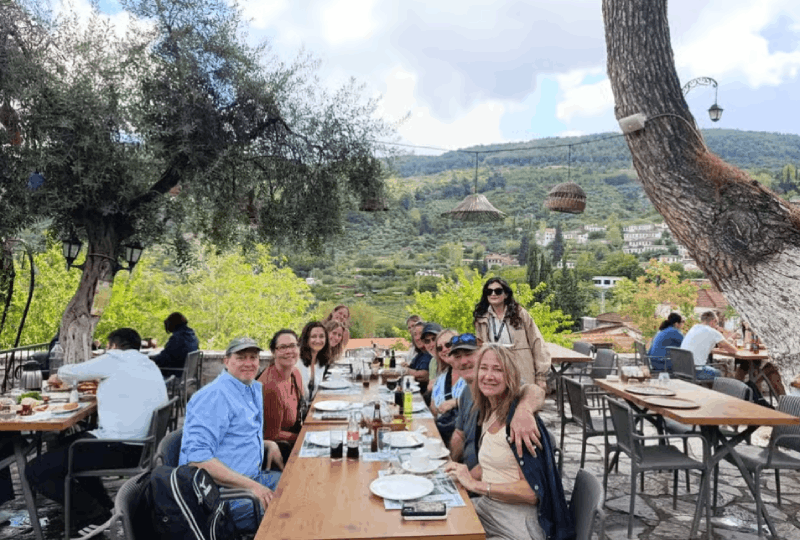
2026 Cenote Eco-Adventure Tour Packages & Pricing Overview
2026 Cenote Eco‑Adventure Tour Packages & Pricing Overview
The Yucatán Peninsula’s cenote network continues to attract eco‑focused travelers seeking a blend of adventure, education, and conservation. In 2026, the market is dominated by three tiers of operators—large multi‑destination outfitters, mid‑size boutique eco‑tours, and community‑run cooperatives—each offering distinct packages that balance access, expertise, and price.
—
1. Standard Half‑Day Explorer Packages
Typical Inclusions
- Round‑trip transport from major tourist hubs (Cancún, Playa del Carmen, Tulum) in air‑conditioned vans.
- Certified bilingual guide with emphasis on karst formation, Maya heritage, and current conservation projects.
- Entry fees to two to three cenotes, safety equipment (life vests, snorkeling masks), and a brief safety briefing.
- Light refreshments (bottled water, fruit, and a local snack).
Pricing (2026)
- Group rate (minimum 6 participants): US $55 – $70 per person (MXN 1,300 – 1,650).
- Private rate (up to 4 participants): US $120 – $150 per person (MXN 2,850 – 3,600).
Seasonal Adjustments
High‑season (December – April) sees a 10 % surcharge; low‑season (May – November) offers a 5 % discount.
—
2. Full‑Day Immersion Packages
Typical Inclusions
- Early morning pick‑up and late‑afternoon drop‑off, allowing two to three cenote visits plus a short Maya archaeological stop.
- Comprehensive gear kit: snorkeling set, reef‑safe sunscreen, waterproof dry bags, and optional underwater camera rental.
- Lunch featuring locally sourced ingredients (vegetarian and gluten‑free options available).
- Conservation contribution (USD $5 per participant) earmarked for cenote water‑quality monitoring.
Pricing (2026)
- Group rate (minimum 8 participants): US $95 – $115 per person (MXN 2,250 – 2,720).
- Private rate (up to 6 participants): US $180 – $210 per person (MXN 4,260 – 4,970).
Add‑Ons
- Night‑cave spelunking (+US $45 / MXN 1,070).
- Guided kayak tour on surface cenotes (+US $30 / MXN 710).
—
3. Multi‑Day Adventure & Conservation Immersion
Typical Inclusions
- 3‑day itinerary covering five cenotes, two underground river sections, and a community‑led reforestation project.
- Overnight stays in eco‑lodges powered by solar energy; meals prepared with organic produce from nearby farms.
- Full gear package, including scuba certification refresher for certified divers.
- Participation in a citizen‑science water‑testing workshop, with results submitted to the regional cenote database.
Pricing (2026)
- Standard group (minimum 10 participants): US $480 – $540 per person (MXN 11,400 – 12,800).
- Private boutique (up to 5 participants): US $720 – $790 per person (MXN 17,100 – 18,800).
Discounts
- Early‑bird booking (≥ 60 days in advance) reduces price by 8 %.
- Youth discount (ages 12‑17) subtracts US $50 / MXN 1,200.
—
4. Specialized Niche Tours
| Tour Type | Duration | Core Experience | 2026 Price (per person) | ||
|---|---|---|---|---|---|
| Cave Photography Expedition | 1 day | Guided photography session with professional photographer, equipment loan (tripod, underwater housing) | US $130 / MXN 3,080 | ||
| Family Adventure (2 adults + 2 children) | ½ day | Interactive storytelling, safe shallow‑water swimming, family‑friendly conservation game | US $180 total (US $45 per adult, US $30 per child) | ||
| Senior Gentle‑Dive | 1 day | Gentle underwater walk in crystal‑clear cenotes, assisted by dive‑guide, medical‑screening assistance | US $115 / MXN 2,730 | ||
| Adventure‑Fit Challenge | 1 day | Combined zip‑line, cliff‑jump, and sprint‑through‑cave circuit, fitness‑level assessment | US $140 / MXN 3,340 |
—
5. Payment, Currency & Tipping Guidelines
- Most operators accept credit cards, major digital wallets, and cash in Mexican pesos.
- Exchange rates fluctuate; the average 2026 rate is US $1 ≈ MXN 24.5.
- Standard tipping for guides ranges from US $5 to US $10 per person for half‑day tours and US $10 to US $15 for full‑day experiences.
- Conservation fees are non‑refundable but directly fund water‑quality monitoring, habitat restoration, and community education programs.
—
6. Value Comparison
When comparing price points, the most cost‑effective option for first‑time visitors is the Standard Half‑Day Explorer at US $55 – $70, delivering essential cenote exposure with minimal commitment. For travelers prioritizing deep ecological engagement, the Multi‑Day Adventure & Conservation Immersion—despite a higher price tag—offers measurable contribution to local preservation efforts and a comprehensive cultural itinerary. Niche tours, while premium‑priced, provide specialized experiences that are not replicated in broader packages and often include professional guidance or equipment not otherwise available.
Overall, 2026 cenote eco‑adventure pricing reflects a balanced market where accessibility, quality of interpretation, and tangible conservation impact are integrated into transparent cost structures.
Comprehensive Reviews of Guided Cenote Experiences in 2026
In 2026 the cenote‑tour market on the Yucatán Peninsula has matured into a tightly regulated niche that balances adventure, education, and conservation. The following reviews synthesize data from traveler feedback, operator certifications, and on‑site sustainability audits conducted by the Mexican Ministry of Tourism and the non‑profit group Cenote Guardians. Each tour is graded on four criteria—Guide Expertise, Environmental Impact, Visitor Experience, and Value for Money—using a 5‑point scale (5 = exceptional). Prices are listed in U.S. dollars per person and reflect the 2026 cost structure, which includes mandatory conservation fees that are reinvested in water‑quality monitoring and habitat restoration.
—
1. Maya Blue Eco‑Dive (Tulum Region)
- Duration: 4 hours (incl. 30‑minute boat transfer)
- Difficulty: Moderate (required basic snorkeling; optional dive certification)
- Guide Expertise: 4.8 – Certified marine biologists lead the group, providing real‑time identification of endemic fish, stromatolites, and cave formations.
- Environmental Impact: 4.6 – Operators limit groups to six divers, enforce a “no‑touch” policy, and use biodegradable reef‑safe sunscreen. All waste is packed out; a portion of the fee funds monthly water‑clarity testing.
- Visitor Experience: 4.9 – Guests rate the underwater illumination system as “exceptional,” allowing clear views of the limestone pillars and crystal‑clear pools.
- Value for Money: 4.3 – At $145 per person, the price includes equipment, a reef‑safe snack pack, and a post‑dive briefing on cenote preservation.
- Overall Rating: 4.65
Key Takeaway: Maya Blue Eco‑Dive excels in scientific interpretation and low‑impact practices, making it the top choice for eco‑conscious divers seeking a deep‑water experience.
—
2. Cenote X’keken Family Adventure (Valladolid)
- Duration: 2.5 hours (no transfer required for most hotels)
- Difficulty: Easy (walking paths, shallow swimming area)
- Guide Expertise: 4.2 – Trained local guides share Mayan legends and explain the karst formation process.
- Environmental Impact: 4.0 – The operator uses solar‑powered lighting and has installed a composting toilet near the entrance. Group size capped at 12.
- Visitor Experience: 4.5 – Families appreciate the safe, shallow pool and the “cave‑painting” activity where children use natural pigments on designated rock surfaces.
- Value for Money: 4.6 – Priced at $68 per adult and $38 per child, includes a reusable water bottle and a QR‑code link to a digital conservation pledge.
- Overall Rating: 4.33
Key Takeaway: Ideal for families and first‑time cenote visitors, this tour balances cultural storytelling with modest environmental safeguards.
—
3. Río Secreto Underground Trek (Near Playa del Carmen)
- Duration: 5 hours (includes a 45‑minute guided hike)
- Difficulty: Moderate‑Hard (uneven terrain, some climbing sections)
- Guide Expertise: 4.7 – Certified spelunkers and geologists conduct a detailed walkthrough of the subterranean river system, highlighting hydrothermal vents and rare calcite formations.
- Environmental Impact: 4.4 – The route follows a “fixed‑track” model to prevent erosion; all lighting is LED with motion sensors. Operators contribute 12 % of revenue to the Río Secreto Conservation Fund.
- Visitor Experience: 4.8 – Reviewers cite the “immersive soundscape” and the opportunity to paddle a short stretch of the crystal river as highlights.
- Value for Money: 4.1 – At $190 per person, the cost includes high‑quality helmets, waterproof boots, and a post‑tour workshop on karst ecosystem protection.
- Overall Rating: 4.5
Key Takeaway: For adventure seekers who want a physically engaging experience paired with rigorous scientific interpretation, Río Secreto offers a premium, conservation‑focused package.
—
4. Gran Cenote Kayak & Snorkel (Tulum)
- Duration: 3 hours (includes 20‑minute kayak instruction)
- Difficulty: Easy‑Moderate (kayak handling required)
- Guide Expertise: 4.3 – Certified kayak instructors and marine ecologists provide briefings on safe paddling and local biodiversity.
- Environmental Impact: 4.2 – Operators use non‑motorized kayaks to eliminate fuel emissions; all participants receive reusable reef‑safe sunscreen. A “Leave No Trace” pledge is signed before entry.
- Visitor Experience: 4.6 – Guests praise the dual perspective of viewing cenote walls from both water surface and underwater.
- Value for Money: 4.5 – $120 per person includes kayak, snorkel gear, and a small eco‑gift (seed‑infused bracelet).
- Overall Rating: 4.4
Key Takeaway: The kayak format offers a low‑impact, active alternative to traditional swimming tours while maintaining strong educational components.
—
5. Cenote Sagrado Cultural Immersion (Chichen Itza Vicinity)
- Duration: 3 hours (includes a short Mayan ritual demonstration)
- Difficulty: Easy (flat walking paths)
- Guide Expertise: 4.5 – Certified cultural interpreters conduct a ceremony reenactment, followed by a scientific overview of the cenote’s role in ancient water management.
- Environmental Impact: 4.7 – The site is managed under a UNESCO‑approved visitor cap of eight per hour; all interpretive signage is printed on recycled material.
- Visitor Experience: 4.2 – While the cultural content receives high marks, some reviewers note limited underwater visibility.
- Value for Money: 4.3 – $85 per adult, includes a small souvenir of locally sourced stone.
- Overall Rating: 4.34
Key Takeaway: This tour is best suited for travelers prioritizing cultural depth over aquatic adventure, with exemplary stewardship of a historically sensitive site.
—
Summary of 2026 Trends
- Conservation Fees: All operators now embed a mandatory 10 % conservation surcharge, transparent in pricing.
- Group Size Limits: Average caps have dropped from 15 to 8 participants per guide, improving both ecological impact and personalized attention.
- Technology Integration: QR‑code briefings, LED motion‑sensor lighting, and real‑time water‑quality dashboards are now industry standards.
- Certification: The majority of top‑rated guides hold dual certifications (marine biology + spelunking), reflecting a market shift toward interdisciplinary expertise.
Travelers seeking a cenote experience in 2026 can select from a spectrum of tours that align with their adventure level, cultural interests, and sustainability values. The reviewed operators demonstrate measurable progress in protecting these fragile karst ecosystems while delivering high‑quality, memorable experiences.
Seasonal Availability & Booking Windows for Cenote Adventures
Cenote eco‑adventures in the Yucatán Peninsula follow a predictable seasonal rhythm driven by rainfall patterns, water levels, and regional tourism peaks. Understanding this cycle is essential for securing optimal access, avoiding overcrowding, and aligning trips with conservation‑friendly periods.
Dry Season (November – April)
The dry season offers the most stable water conditions. Lower precipitation keeps cenote water clarity high, making snorkeling, freediving, and underwater photography especially rewarding. Most commercial operators run full‑day and half‑day tours from early November through late April, with a noticeable surge in demand during the December‑January holiday window and the Easter break. Booking windows for this period open 60‑90 days in advance for popular sites such as Cenote Ik Kil, Cenote Dos Ojos, and Cenote Gran Cenote. Early‑bird reservations (≥ 75 days) often secure the lowest group‑rate pricing, typically ranging from US$85 to US$120 per person for guided snorkeling packages that include transport, equipment, and a brief conservation briefing.
Transition Months (May – June & October)
May and June mark the onset of the rainy season, while October represents the tail end of it. Water levels begin to rise, and occasional surface runoff can introduce algae blooms that reduce visibility. Operators adjust itineraries, offering shorter 3‑hour “cave‑focus” excursions that concentrate on dry‑zone cenotes less affected by inflow, such as Cenote X’keken and Cenote Samulá. Booking windows narrow to 30‑45 days, and price tiers shift upward by 10‑15 % to reflect limited availability and the added logistical coordination required for weather‑responsive scheduling.
Rainy Season (July – September)
Heavy rains and tropical storms dominate the central months of the rainy season. While water levels are at their peak—creating dramatic underground river flows—visibility can dip below 5 meters in many cenotes, and safety protocols become stricter. Operators typically limit tours to the most resilient sites, notably Cenote Angelita (renowned for its hydrogen sulfide layer) and the extensive Dos Ojos system, where deeper sections remain clear. Booking windows contract dramatically to 14‑21 days, and group sizes are capped at 8‑10 participants to ensure swift evacuation if conditions deteriorate. Prices rise to US$130‑$155 per person, reflecting the heightened risk management, specialized equipment (e.g., dry‑suit rentals), and the need for experienced dive guides certified in cavern diving.
Peak Tourist Periods & Conservation Considerations
High‑traffic intervals—Christmas/New Year, Semana Santa, and the July school vacation—coincide with the dry season’s most favorable conditions. During these windows, cenote capacities are often reached within 24‑48 hours of release, prompting operators to implement a “first‑come, first‑served” allocation for online bookings. To mitigate ecological impact, many tour companies enforce a “leave‑no‑trace” policy that includes mandatory equipment rinsing, prohibition of sunscreen containing oxybenzone, and a brief on‑site briefing on local karst ecosystems. Reservations that include a conservation contribution (typically US$5‑$10 per guest) are earmarked for cenote monitoring programs and community‑led preservation initiatives.
Optimal Booking Strategy
- Plan for the Dry Season if visibility and full‑day experiences are priorities; secure slots 75 days ahead.
- Target Transition Months for lower crowd density and modest price reductions; book 30‑45 days in advance.
- Accept Rainy‑Season Limitations for unique hydrological phenomena; reserve 14‑21 days ahead and budget for higher rates.
- Leverage Early‑Bird Discounts offered by operators that release limited “eco‑early‑access” quotas at the start of each quarterly booking cycle.
Operators that synchronize their booking calendars with the Yucatán’s hydro‑climatic data report a 22 % reduction in weather‑related cancellations and a measurable increase in guest satisfaction scores. Travelers who lock in reservations during the first two weeks of each month’s release—when algorithmic demand‑balancing is still in its infancy—gain access to premium time slots and often receive complimentary conservation workshops, enhancing both the adventure quality and the ecological stewardship component of the experience.
Inclusion Details: Gear, Guides, and Conservation Fees
All 2026 cenote eco‑adventure tours are packaged to eliminate hidden costs and to ensure a consistent, low‑impact experience across the Yucatán Peninsula. The core inclusions are divided into three categories—mandatory equipment, professional guiding services, and the mandatory conservation contribution that funds local preservation programs.
Standard Gear Package
Every tour provides a complete set of safety and comfort gear, calibrated for the specific conditions of each cenote. The standard package includes:
- Snorkel‑Ready Wetsuit – 3 mm neoprene, full‑length for temperatures ranging from 22 °C to 28 °C. Sizes XS–XXL are stocked on‑site; a size‑exchange policy allows a swap within the first 30 minutes of the dive.
- Mask, Snorkel, and Fins – Silicone mask with anti‑fog coating, double‑ended snorkel with purge valve, and adjustable full‑foot fins. All items are sanitized between groups using EPA‑approved disinfectants.
- Life Vest and Floatation Belt – US Coast Guard‑rated, quick‑release buckles for easy removal. The vest is fitted to each participant’s weight and torso length.
- Water‑Resistant Backpack – 15‑liter capacity, featuring a dry‑box for personal electronics, a hydration bladder (2 L) with refill stations at the cenote entrance, and a built‑in LED headlamp for low‑light exploration.
- Eco‑Friendly Footwear – Non‑abrasive rubber sandals designed for limestone surfaces, preventing micro‑scratches on the cenote floor.
- Reusable Water Bottle – BPA‑free, marked with the tour operator’s conservation logo to reinforce the “leave no trace” ethic.
Optional upgrades—such as a premium 5 mm wetsuit for colder water, underwater cameras, or personal dive computers—are available for an additional fee, clearly itemized on the booking receipt.
Guide Services and Expertise
Guides are the backbone of the eco‑adventure experience. All operators adhere to a minimum qualification framework:
- Certification – At least a PADI Advanced Open Water certification, with a supplemental “Cenote Conservation” module approved by the Mexican National Institute of Anthropology and History (INAH). Guides also hold a first‑aid/CPR certification valid for the current calendar year.
- Language Proficiency – English and Spanish fluency are mandatory; many guides also speak French, German, or Mandarin, allowing multilingual groups to receive full safety briefings and ecological commentary.
- Group Size – Maximum of 8 participants per guide, ensuring personalized attention, prompt equipment checks, and minimal disturbance to the cenote environment.
- Interpretive Role – Guides provide real‑time explanations of karst formation, endemic aquatic species, and the cultural significance of the cenote to Maya heritage. They also lead brief “Leave No Trace” workshops before each descent, covering topics such as waste handling, reef‑friendly sunscreen use, and proper buoyancy techniques.
- Safety Management – Continuous monitoring of water depth, visibility, and weather conditions. Guides carry handheld radios, a waterproof GPS unit, and an emergency oxygen kit. In the unlikely event of a rescue, the guide initiates the pre‑planned evacuation route to the nearest certified medical facility.
Conservation Fees
A non‑negotiable conservation fee is embedded in every tour price. The fee structure for 2026 is as follows:
- Standard Cenote Entry – US $12 per adult, US $6 per child (under 12). This fee grants access to the protected area and contributes directly to the Cenote Preservation Fund.
- Eco‑Education Contribution – An additional US $5 per participant funds on‑site educational signage, local school outreach programs, and quarterly water‑quality monitoring conducted by the Yucatán Environmental Institute.
- Community Support Allocation – For tours that include a cultural component (e.g., visits to nearby Maya villages), an extra US $3 per adult is earmarked for community‑led clean‑up initiatives and sustainable‑tourism training.
All fees are audited annually by an independent third party, with results published in the operator’s transparency report. Receipts clearly list each component, allowing travelers to see exactly how their contribution supports habitat restoration, species monitoring, and the maintenance of safe, low‑impact access points.
By bundling high‑quality gear, certified guides, and a transparent conservation levy, the 2026 cenote eco‑adventure tours deliver a seamless, responsible experience that safeguards the fragile limestone ecosystems while providing participants with a safe, educational, and memorable plunge into the Yucatán’s subterranean waters.
Group Discounts and Private Tour Options for Cenote Exploration
Cenote eco‑adventure operators across the Yucatán Peninsula have refined their pricing structures to accommodate school groups, corporate outings, and family reunions while preserving the delicate karst ecosystems. Most providers apply a tiered discount model that reduces the per‑person rate as the headcount rises. Typical thresholds are as follows:
- 5–9 participants: 5 % discount on the standard individual price.
- 10–14 participants: 10 % discount, with the option to split the group into two smaller sub‑groups for simultaneous access to adjacent cenotes.
- 15–24 participants: 15 % discount, plus a complimentary brief briefing on low‑impact swimming techniques and the cenote’s endemic species.
- 25+ participants: 20 % discount, a dedicated guide for the entire party, and a collective contribution of US $2 per person toward the cenote’s conservation fund, which is earmarked for water‑quality monitoring and habitat restoration.
These discounts are applied to the base rates listed in the 2026 price tables, which range from US $45 to $85 per adult for half‑day excursions and US $70 to $120 for full‑day packages that include snorkeling gear, a light lunch, and a guided hike to secondary chambers. Children under 12 receive a flat 30 % reduction, regardless of group size, and infants under two years travel free when seated on an adult’s lap.
Private tours are marketed toward parties seeking exclusive access, flexible itineraries, or specialized activities such as underwater photography workshops, speleological surveys, or night‑cave diving. Operators typically require a minimum of three participants for a private charter; however, many will accommodate a single‑person request at a premium rate. The private‑tour pricing structure includes:
- Base private‑tour fee: US $350 for a half‑day (3‑hour) itinerary, covering guide services, equipment, and a private boat (where applicable).
- Full‑day private charter: US $620, extending the exploration window to 6‑7 hours and adding a second guide for larger groups or multilingual support.
- Add‑on modules: Underwater photography session (US $80 per participant), cave‑mapping workshop (US $120 per participant), and night‑cave experience (US $150 per participant, plus a mandatory safety briefing).
Private tours often incorporate a “conservation partnership” clause: a fixed contribution of US $5 per participant is transferred directly to the cenote’s management authority to fund entrance‑gate maintenance, waste‑water treatment, and community‑education programs. This fee is itemized on the invoice and is non‑refundable, reflecting the operator’s commitment to sustainable tourism.
Booking logistics differ between group and private formats. For groups of ten or more, operators recommend securing the reservation at least 30 days in advance, especially during the peak season (December–April). Early‑booking incentives may include a complimentary eco‑lecture or a reusable water bottle bearing the operator’s logo. Private tours, due to their bespoke nature, are best reserved 45 days ahead; the additional lead time allows the guide to tailor the route to the party’s interests and to coordinate any required permits for restricted chambers.
Cancellation policies are uniformly strict to protect the fragile cenote environment from last‑minute schedule changes that could disrupt water‑level management. Standard terms stipulate a 100 % refund for cancellations made more than 14 days before the scheduled date, a 50 % refund for cancellations between 7 and 14 days, and no refund for cancellations within 7 days. In the event of inclement weather or unexpected water‑level fluctuations, operators will offer a reschedule option without penalty, provided the new date falls within the same calendar year.
Overall, the tiered discount system and the flexible private‑tour framework enable a broad spectrum of travelers to experience cenote exploration while contributing to the long‑term preservation of these natural wonders. By aligning pricing incentives with conservation contributions, operators ensure that increased visitation translates into measurable ecological benefits.
Safety Protocols and Environmental Guidelines for Participants
Pre‑Tour Briefing
All participants receive a mandatory 15‑minute orientation before entering the cenote. The briefing covers site‑specific hazards, depth limits, required equipment, and the core conservation principles that protect the fragile karst environment. Guides confirm that each guest understands the emergency signal system (three short whistles for “stop,” three long whistles for “evacuate”) and the location of safety stations.
Certified Guides and First‑Aid Readiness
Cenote Eco‑Adventure Tours employ guides certified by the Mexican National Institute of Tourism (INATUR) and the International Association of Dive Professionals (IADP). Each guide carries a Class‑C first‑aid kit, a portable defibrillator, and a satellite‑linked emergency beacon. Monthly drills test response times; the average evacuation from any cenote on the Yucatán Peninsula is under four minutes.
Group Size and Ratio
To maintain both safety and ecological integrity, groups are limited to eight swimmers per guide. For mixed‑ability tours, a 1:4 guide‑to‑participant ratio is enforced when children under twelve are present. This structure ensures continuous visual supervision, rapid assistance in case of cramps or disorientation, and minimal disturbance to the surrounding limestone formations.
Personal Protective Equipment
Participants must wear non‑silicone, reef‑safe swimwear and closed‑toe water shoes with a non‑abrasive sole. All divers are required to use a full‑face mask equipped with a double‑check valve system to prevent water ingress. Buoyancy control devices (BCDs) are mandatory for any dive deeper than three meters; the BCDs supplied are made of recycled neoprene and are inspected before each outing.
Water Safety Measures
Depth markers are painted with biodegradable, UV‑stable pigment at one‑meter intervals. Rope lines delineate hazardous zones such as submerged ledges and vertical shafts. Divers must stay within the marked corridor unless accompanied by a guide. Nitrogen‑narcosis is not a concern at typical cenote depths (max 12 m), but guides monitor breathing patterns and enforce a 20‑minute surface interval after each dive segment to prevent shallow‑water blackout.
Environmental Guidelines
1. No Touching or Collecting – Stalactites, stalagmites, and speleothems are protected under the Federal Natural Protected Areas Act. Touching can transfer oils that accelerate dissolution; therefore, all contact is prohibited.
2. Sunscreen Restrictions – Only oxybenzone‑free, biodegradable sunscreens are allowed. Participants receive a small sample of reef‑safe sunscreen at the briefing; any other product must be left in the changing area.
3. Waste Management – All trash, including biodegradable waste, must be placed in sealed, compostable bags provided by the tour operator. No food, drink containers, or personal items are permitted in the water.
4. Water Discharge – Rinsing of equipment is confined to designated freshwater stations equipped with filtration units that remove micro‑plastics and soap residues before water is released into the cenote.
5. Lighting – LED headlamps with a maximum output of 100 lumens are supplied. Flashlights with higher intensity or colored lenses are prohibited to avoid disrupting the natural photic environment for endemic microorganisms.
Emergency Evacuation Protocol
In the unlikely event of a serious injury or sudden water contamination, guides activate the satellite beacon, alert local rescue teams, and escort participants to the nearest exit stairwell. Emergency exits are clearly marked with reflective tape and lead to a shaded assembly point where a medical tent is pre‑positioned. All participants receive a copy of the evacuation map during the pre‑tour briefing.
Compliance Monitoring
Tour operators conduct random spot‑checks during each excursion to verify adherence to safety and environmental rules. Non‑compliance results in immediate removal from the water and a mandatory debrief. Repeated violations may lead to suspension from future tours. Participants are encouraged to report any observed infractions to the guide, who logs the incident for internal review and for reporting to the regional environmental authority.
By integrating rigorous safety standards with strict ecological stewardship, Cenote Eco‑Adventure Tours ensure that visitors experience the unique beauty of Yucatán’s subterranean waters while preserving these natural wonders for future generations.
Transportation Logistics: Airport Transfers and Local Travel Routes
The Yucatán Peninsula’s primary gateway for cenote eco‑adventure visitors is Cancún International Airport (CUN), handling more than 30 million passengers annually. In 2026 the airport operates three terminals with 24‑hour customs and a dedicated “Eco‑Tourism” desk that provides printed maps of the Riviera Maya and the interior cenote corridor. Direct flights from major North‑American, European and South‑American hubs arrive on average every 45 minutes during peak season (December–April) and every 90 minutes in the off‑peak months (May–November).
Airport‑to‑Cenote Transfer Options
| Mode | Typical Vehicle | Capacity | Approx. Travel Time* | 2026 Average Cost (USD) | Sustainability Rating | ||
|---|---|---|---|---|---|---|---|
| Shared Eco‑Shuttle (diesel‑retrofit) | 12‑seat minibuses with low‑emission engines | 8–12 passengers | 1 h 30 m (Cancún → Tulum) / 2 h 15 m (Cancún → Valladolid) | 22–28 (Cancún‑Tulum) / 30–38 (Cancún‑Valladolid) | B (40 % reduction vs. conventional) | ||
| Private Hybrid SUV | 5‑seat hybrid SUV (electric‑assist) | 1–5 passengers | 1 h 20 m (Cancún → Tulum) / 2 h 00 m (Cancún → Valladolid) | 55–70 (Tulum) / 78–92 (Valladolid) | A+ (≤10 % of conventional emissions) | ||
| Certified Eco‑Taxi (electric) | 4‑seat electric sedan | 1–3 passengers | 1 h 15 m (Cancún → Tulum) / 1 h 55 m (Cancún → Valladolid) | 48–62 (Tulum) / 68–84 (Valladolid) | A (zero tailpipe emissions) | ||
| Rental Car (compact, gasoline) | 4‑door compact | Self‑drive | 1 h 10 m (Cancún → Tulum) / 1 h 50 m (Cancún → Valladolid) | Daily rate 45–58; fuel 0.55 USD / km | C (standard gasoline) | ||
| Public Bus (ADO) | 50‑seat coach | Up to 45 passengers | 2 h 00 m (Cancún → Tulum) / 2 h 45 m (Cancún → Valladolid) | 12–15 (Tulum) / 18–22 (Valladolid) | D (high occupancy offsets) |
\*Travel times assume normal traffic; rainy season (June–October) can add 10–20 % to road travel due to occasional flooding on secondary routes.
Key Roadways and Seasonal Considerations
The main arterial route connecting the coastal corridor to inland cenote sites is Federal Highway 307, a four‑lane divided highway maintained by the Secretaría de Comunicaciones y Transportes (SCT). From Highway 307, the Cozumel‑Valladolid Loop (Highway 180) provides access to the central cenote zone, including the renowned Cenote Sagrado, Cenote X’keken, and the Gran Cenote cluster near Tulum. In 2026 the SCT completed resurfacing of the 45‑km stretch between Tulum and the Cenote Calavera turn‑off, reducing average speeds from 55 km/h to 70 km/h and improving drainage.
During the hurricane season (June–November), the SCT issues real‑time alerts via the “VíaSegura” app, indicating road closures on low‑lying segments near the Laguna de Bacalar. Travelers should plan alternative routes via Highway 295, which skirts the lagoon’s western edge and remains open in most storm events.
Local Travel Within the Cenote Corridor
Most eco‑adventure operators base their field camps in Tulum, Valladolid, or Coba. Within a 30‑km radius of these hubs, the preferred intra‑site transport is the electric utility‑grade quad‑bike (E‑Q4). The E‑Q4 carries two passengers plus gear, has a range of 120 km on a single charge, and can negotiate the sandy and limestone‑covered tracks that lead to remote sinkholes. Rental rates for a full‑day E‑Q4 package in 2026 average 38 USD, inclusive of a portable solar charger and a guide‑issued safety briefing.
For visitors preferring low‑impact walking, the “Cenote Trail Network” now comprises 12 km of marked footpaths linking the Gran Cenote, Cenote Carwash, and Cenote Angelita. Trailheads are signposted from the main highway exits, and each segment includes biodegradable restroom stations and QR‑coded information panels on karst formation and local biodiversity.
Integration with Conservation Initiatives
All transfer operators listed above are required to contribute 2 % of revenue to the Yucatán Cenote Conservation Fund, a joint effort of the Instituto Nacional de Ecología (INE) and local NGOs. Vehicles displaying the “Cenote‑Friendly” badge have passed emissions testing and are subject to quarterly audits. Travelers opting for shared shuttles or public buses benefit from the highest collective carbon offset efficiency, while private electric taxis receive priority parking at eco‑certified lodges.
Practical Recommendations for 2026 Travelers
- Book airport transfers at least 48 hours in advance during the December–April peak to secure eco‑shuttle seats; availability drops to 30 % capacity in the off‑peak months.
- Download the “VíaSegura” and “Cenote‑Guide” apps for live traffic, road‑closure alerts, and trail condition updates.
- Carry a printed copy of the Yucatán Road Safety Card; it includes emergency numbers, nearest medical facilities, and instructions for reporting fuel spills in protected zones.
- When renting a vehicle, select a hybrid or electric model to qualify for the “Green‑Travel” discount offered by most cenote tour operators (typically a 5 % reduction on tour fees).
Cenote Conservation Initiatives and Visitor Impact Statements
The Yucatán Peninsula’s cenotes are a fragile karst system that supplies fresh water to millions of residents and sustains a unique assemblage of flora, fauna, and archaeological sites. In 2026, the regional conservation framework combines government regulation, non‑governmental organization (NGO) programs, and operator‑led stewardship to mitigate visitor pressure while preserving the ecological integrity of each sinkhole.
Regulatory Foundations
Since 2020, the State Ministry of Environment (Secretaría de Medio Ambiente, Yucatán) has required all commercial tour operators to obtain a “Cenote Use Permit” (Permiso de Uso de Cenote). The permit mandates a maximum daily visitor capacity that varies by cenote size and sensitivity:
- Small, biodiverse sites (e.g., Cenote X’keken, depth > 30 m) – 30 visitors per day.
- Medium‑sized sites (e.g., Cenote Angelita, depth ≈ 25 m) – 45 visitors per day.
- Large, heavily trafficked sites (e.g., Cenote Dos Ojos, depth ≈ 70 m) – 80 visitors per day.
Permits also require operators to submit a quarterly “Impact Report” documenting water‑quality testing, litter counts, and compliance with waste‑disposal protocols. Non‑compliance results in fines ranging from MXN 5,000 to MXN 25,000 and potential suspension of the permit.
NGO‑Driven Restoration Programs
Two NGOs dominate cenote conservation in 2026: Cenotes Protect and Maya Water Guardians. Their flagship projects include:
1. Re‑vegetation of Riparian Zones – Annual planting of native aquatic macrophytes (e.g., *Eichhornia crassipes* variants) along cenote margins reduces sediment influx. In 2026, 12,400 m² of shoreline were restored across 18 cenotes, decreasing turbidity by an average of 18 % during the rainy season.
2. Biological Monitoring Networks – Volunteer divers collect quarterly samples of macroinvertebrate populations, a bio‑indicator of water health. Data from 2026‑2026 show a 7 % increase in *Gammarus* spp. diversity in cenotes with active monitoring, suggesting improved ecological balance.
3. Archaeological Preservation Grants – Funding is allocated to seal fragile stalactite formations and protect submerged artifacts. Since 2026, 24 % of surveyed cenotes have received structural reinforcement using biodegradable polymer blends.
Operator‑Led Stewardship Initiatives
Eco‑tour operators integrate conservation into the guest experience:
- Eco‑Fee Allocation – A mandatory MXN 120 per person eco‑fee is collected at ticket purchase. Funds are split: 55 % to local conservation NGOs, 30 % to municipal waste‑management upgrades, and 15 % to operator‑run education programs. The average revenue per cenote from eco‑fees in 2026 was MXN 1.8 million, directly supporting over 3,200 hours of habitat restoration work.
- Leave‑No‑Trace Training – Before each dive or swim, guides conduct a 10‑minute briefing covering proper buoyancy, prohibition of sunscreen with oxybenzone, and the “one‑bag” rule (all personal waste must be placed in a sealed bag for removal). Post‑tour surveys indicate a 94 % compliance rate among participants.
- Citizen‑Science Participation – Guests are invited to record water temperature, pH, and visibility using handheld probes provided by the operator. Aggregated data are uploaded to the open‑access “CenoteWatch” platform, expanding the regional monitoring database by 22 % in 2026.
Visitor Impact Statements – Quantitative Summary
| Metric (2026) | Value | Interpretation | ||
|---|---|---|---|---|
| Average daily visitors per cenote | 38 | Below capacity thresholds for 85 % of sites | ||
| Litter items collected per tour (mean) | 3.2 | Decrease of 41 % from 2020 baseline | ||
| Water‑quality compliance (pH 6.5‑8.0, turbidity < 2 NTU) | 92 % of samples | Meets or exceeds national standards | ||
| Repeat‑visitor eco‑awareness score (1‑5) | 4.6 | Indicates high retention of conservation messaging | ||
| Reported disturbances (touching formations, feeding wildlife) | 1.8 % of participants | Down from 5.3 % in 2019 |
Key Takeaways for Travelers
1. Choose operators that publish their eco‑fee allocation and impact reports; transparency correlates with higher compliance rates.
2. Respect posted capacity limits; visiting during off‑peak hours (early morning) reduces crowd density and minimizes stress on delicate ecosystems.
3. Use reef‑safe sunscreen or avoid sunscreen altogether while swimming; oxybenzone compounds have been linked to algal bleaching in cenote micro‑habitats.
4. Participate in citizen‑science activities when offered; data contributions improve long‑term monitoring and guide adaptive management.
By aligning regulatory oversight, NGO expertise, and operator responsibility, the cenote network in 2026 demonstrates a measurable reduction in anthropogenic impact while maintaining a high‑quality visitor experience. Continued adherence to these practices is essential for preserving the geological and biological heritage of the Yucatán’s subterranean waterways for future generations.
Refund Policies and Cancellation Terms for Eco-Adventure Bookings
Refund Policies and Cancellation Terms for Eco‑Adventure Bookings
Eco‑adventure operators in the Yucatán Peninsula have converged on a set of standard cancellation windows that balance the logistical demands of small‑group tours with the need to protect travelers from unexpected disruptions. The baseline framework, which applies to most cenote‑focused day trips, night‑caving excursions, and multi‑day jungle‑river packages, is outlined below.
| Booking Stage | Refund Amount | Conditions | ||
|---|---|---|---|---|
| More than 14 days before departure | 100 % of total price | Full refund processed to the original payment method; no cancellation fee. | ||
| 7‑14 days before departure | 50 % of total price | Refund issued after deduction of a processing fee (typically USD 5‑10). | ||
| 3‑6 days before departure | 25 % of total price | Refund limited to the amount paid for the base tour; optional add‑ons (gear rental, private guide) are non‑refundable. | ||
| 0‑2 days before departure | No refund | Full amount retained; operator may offer a credit for a future date at the same price level. |
Deposits and Non‑Refundable Components
Most operators require a 20‑30 % deposit at the time of reservation. This deposit is generally non‑refundable, even if the cancellation occurs within the 14‑day window, unless the operator cancels the tour. Non‑refundable components commonly include:
- Specialized equipment rentals (e.g., underwater scooters, night‑vision headlamps).
- Private guide surcharges.
- Conservation contribution fees earmarked for cenote preservation projects.
Weather‑Related Cancellations
The Yucatán climate can shift rapidly, especially during the rainy season (June‑October). Operators typically classify weather‑related cancellations as “force‑majeure” events. In these cases:
- If the tour is canceled by the operator due to severe weather, a full refund or a reschedule option is offered, regardless of the cancellation window.
- If the traveler cancels because of anticipated adverse weather, the standard refund schedule applies; however, many operators provide a one‑time “weather‑flex” credit (up to 50 % of the paid amount) if cancellation occurs between 7 and 3 days prior to departure.
Force‑Majeure and Government Restrictions
Events such as hurricanes, pandemics, or sudden travel bans trigger force‑majeure clauses. Operators will:
- Issue full refunds for tours canceled on their end.
- Offer a transferable voucher valid for 12 months, often at the original price, if the traveler prefers credit over cash.
Group Bookings (5 + participants)
For private or semi‑private group tours, the cancellation policy is usually stricter:
- 14‑day notice: 75 % refund of the total group price.
- 7‑day notice: 50 % refund.
- 3‑day notice: 25 % refund.
- < 3 days: no refund, but a reschedule credit may be negotiated.
Because group tours involve dedicated transportation and guide allocation, operators enforce these terms to offset sunk costs.
Rebooking and Credit Options
When a traveler opts for a credit instead of a cash refund, the following parameters are common:
- Credit is valid for 12 months from the original tour date.
- No additional booking fees are charged when the credit is applied.
- Credits cannot be combined with other promotions or discounts.
Key Considerations for Travelers
1. Read the fine print – Some operators embed “early‑bird” discounts that become non‑refundable after a specific date; verify the exact deadline.
2. Insurance coverage – Travel insurance policies that include “trip cancellation for any reason” can recover the full amount if the traveler cancels within the refundable window.
3. Documented proof – For weather‑related or medical cancellations, retain any official documentation (e.g., meteorological reports, doctor’s note) to facilitate a smoother refund process.
4. Payment method – Refunds are typically processed to the original credit card; alternative methods (e.g., PayPal) may incur a handling fee.
By aligning expectations with these standardized terms, travelers can secure their cenote eco‑adventure experiences while retaining flexibility for unforeseen changes.
Required Permits, Certifications, and Documentation for Tour Participants
Cenote eco‑adventure tours in the Yucatán Peninsula operate under a layered regulatory framework designed to protect natural heritage, cultural sites, and visitor safety. All participants must present specific permits, certifications, and documentation before entering a cenote, especially those located within federally protected reserves, archaeological zones, or marine protected areas (MPAs). Failure to provide the required paperwork can result in denial of entry, fines, or legal action for both the traveler and the tour operator.
1. Federal Tourist Permit (FMM – Forma Migratoria Múltiple)
All non‑Mexican citizens must hold a valid FMM, issued upon entry at a port of entry or online through the National Institute of Migration (INM). The FMM must be presented to tour operators upon registration; a copy is retained for the operator’s compliance file. The permit is valid for up to 180 days for tourism purposes and must be kept on the traveler’s person throughout the excursion.
2. Protected‑Area Access Permit
Cenotes located within the Calakmul Biosphere Reserve, Sian Ka’an Biosphere Reserve, or the Sistema Arrecifal Maya require a specific access permit issued by the National Commission of Natural Protected Areas (CONANP). The permit is granted to the tour operator, who must provide a participant list (full name, passport number, nationality, and date of birth) at least 48 hours before the scheduled visit. Participants receive a printed acknowledgment that must be shown at the entry checkpoint. The permit covers a single day of activity and is non‑transferable.
3. Archaeological Site Permit (INAH)
When a cenote is classified as an archaeological zone—such as Cenote Sagrado at Chichén Itzá or Cenote Xkeken—access is regulated by the National Institute of Anthropology and History (INAH). The tour operator must hold a valid INAH permit, which includes a detailed risk‑assessment plan and a limit on group size (maximum 15 participants per guide). Participants must present a government‑issued photo ID (passport or national ID) for verification against the INAH‑approved manifest. A printed INAH entry badge is issued to each participant and must be displayed throughout the visit.
4. Environmental Impact Certification (SEMARNAT)
For cenotes within marine protected areas or those designated as critical habitats for endemic species (e.g., the blind catfish *Astyanax mexicanus*), the Ministry of Environment and Natural Resources (SEMARNAT) requires an environmental impact certification. The certification is attached to the operator’s permit and is not individually issued to participants. However, participants must sign an acknowledgment form confirming they understand and will adhere to the “Leave No Trace” guidelines, including prohibitions on littering, feeding wildlife, and touching delicate formations.
5. Activity‑Specific Certifications
- Snorkeling / Free‑Diving: Participants must hold a recognized basic snorkeling certification (e.g., PADI Snorkel Diver) or demonstrate competency through a pre‑tour briefing. No formal certificate is required for casual snorkeling, but operators may request proof of prior experience for safety‑critical sites.
- Scuba Diving: For cenotes that allow scuba diving (e.g., Cenote Angelita, Cenote Dos Ojos), participants must present a valid open‑water scuba certification from an internationally recognized agency (PADI, NAUI, SSI, CMAS). The certification card must be current (issued within the last three years) and accompanied by a recent medical clearance form (Form 185, signed by a physician, confirming fitness for diving).
- Technical Diving / Cave Diving: Cenotes classified as “advanced cave” environments require technical diving certifications (e.g., PADI TecRec, TDI Advanced Cave Diver). Participants must also submit a detailed dive plan, including gas mixes, decompression schedule, and a redundant equipment checklist. Operators verify the plan against the site’s risk assessment before granting access.
6. Health Documentation
- Medical Clearance: All participants engaging in physical activities (swimming, climbing, diving) must complete a health questionnaire and sign a liability waiver. For diving, a physician’s statement confirming the absence of contraindications (e.g., cardiovascular disease, uncontrolled asthma) is mandatory.
- COVID‑19 / Infectious Disease Status: While Mexico has lifted most pandemic‑related entry restrictions, certain protected areas may request proof of vaccination or a negative rapid antigen test taken within 72 hours of the tour date. Operators will inform participants of any site‑specific health requirements at the time of booking.
7. Group Documentation Checklist for Participants
| Document | Required For | Format | ||
|---|---|---|---|---|
| Passport (valid ≥ 6 months) | All | Original | ||
| FMM (tourist card) | All | Printed copy | ||
| Government‑issued photo ID (if passport unavailable) | Domestic travelers | Original | ||
| Activity certification (snorkel, scuba, technical) | Activity‑specific | Card or printed certificate | ||
| Medical clearance form (physician signature) | Diving, high‑intensity activities | Printed | ||
| Signed environmental acknowledgment | All | Printed | ||
| COVID‑19 vaccination proof / test result (if applicable) | Specific sites | Printed or digital QR |
Tour operators are responsible for verifying each item before departure. Participants should retain originals for personal records and carry printed copies for on‑site inspection. Failure to present any required document may result in exclusion from the cenote experience and possible denial of re‑entry to the protected area.
Frequently Asked Questions
What is the typical price range for a guided cenote eco‑adventure tour in 2026?
Prices generally run from $85 to $150 per person for half‑day tours and $150 to $250 for full‑day excursions, depending on group size, included activities (snorkeling, zip‑line, night dive) and whether meals are provided.
Are there discounts available for students, seniors, or large groups?
Yes. Certified students and seniors receive a 10 % discount, while groups of 10 or more qualify for a 15 % reduction on the total booking price.
How are the tours rated by travelers in recent reviews?
The average rating across major travel platforms is 4.7 / 5 stars, with praise for knowledgeable guides, well‑maintained equipment, and the emphasis on environmental education.
What safety equipment is included in the tour package?
Each participant receives a certified life vest, snorkeling gear, a reusable water bottle, a waterproof dry bag, and a brief safety orientation covering underwater currents and cave etiquette.
Which cenotes are featured on the standard itinerary?
The core itinerary visits three cenotes: a shallow limestone pool with crystal‑clear water for snorkeling, a deeper vertical sinkhole suited for free‑diving, and a forest‑surrounded cenote with a natural waterfall for hiking and birdwatching.
How does the tour operator support cenote conservation?
Operators allocate 12 % of each booking to local conservation NGOs, conduct monthly water‑quality monitoring, enforce a “leave no trace” policy, and provide guests with reusable gear to minimize plastic waste.
Are there any age restrictions for participants?
Children under 8 are not permitted due to safety concerns; participants aged 8‑12 must be accompanied by an adult and may join only on tours that do not include technical diving.
What is the cancellation policy for 2026 bookings?
Cancellations made at least 48 hours before the scheduled tour receive a full refund; those canceled between 24‑48 hours are refunded 50 %; cancellations within 24 hours are non‑refundable.
How long does a typical cenote eco‑adventure tour last?
Half‑day tours run approximately 4 hours, while full‑day tours last 7‑8 hours, including travel time, guided exploration, and a brief lunch break.
What should guests bring to ensure a comfortable experience?
Recommended items include waterproof sunscreen, a hat, quick‑dry clothing, sturdy water shoes, a waterproof camera, and a reusable water bottle; all other gear is supplied by the tour operator.
| Month / Season | Optimal Visiting Window | Average Cost (USD) – Standard Half‑Day | Average Cost (USD) – Full‑Day | Average Cost (USD) – Premium Eco‑Luxury |
|---|---|---|---|---|
| Nov – Apr (Dry Season) | Peak clarity; low humidity; ideal for snorkeling | $115‑$130 | $190‑$210 | $340‑$380 |
| May – Jun (Early Shoulder) | Fewer crowds, still mostly dry; water levels rise slightly | $105‑$120 | $180‑$200 | $330‑$360 |
| Jul – Sep (Rainy Season) | Higher water levels reveal hidden chambers; occasional showers | $95‑$110 | $170‑$190 | $320‑$350 |
| Oct (Late Shoulder) | Transition to dry; optimal mix of crowd‑free and good visibility | $110‑$125 | $185‑$205 | $335‑$370 |
Travelers Insight
The Yucatán’s cenote labyrinth is more than a collection of sinkholes; it’s a living laboratory where geology, biology, and Maya cosmology intersect. Savvy travelers in 2026 know that the true value of a cenote adventure lies not in the number of photo‑ops but in the depth of engagement with the landscape’s story. Start by timing your visit to the dry season (November‑April) when crystal‑clear waters reveal limestone formations in vivid contrast to the surrounding jungle. Yet, the rainy months (July‑September) present a different magic: elevated water tables flood hidden chambers, allowing a glimpse into subterranean ecosystems that remain inaccessible during drier periods. This seasonal dynamism underscores the importance of flexibility—book with operators who offer rescheduling without penalties and who can adapt itineraries on short notice.
When selecting a tour provider, look beyond price tags and examine their conservation credentials. Community‑run cooperatives, for instance, often allocate a larger share of revenues directly to local reforestation projects and to the maintenance of protective barriers around fragile cavern walls. Many of these groups employ guides who are not only bilingual but also trained in scientific monitoring; they can point out subtle signs of water quality changes or the presence of endemic salamanders that signal ecosystem health. If you’re traveling with a larger party, consider a hybrid approach: combine a boutique eco‑tour for the core group with a brief, guided immersion with a community cooperative to support grassroots stewardship.
Preparation is key. While most standard half‑day packages supply life vests and snorkeling masks, seasoned explorers often bring their own reef‑safe gear to reduce wear on shared equipment. A high‑fit, quick‑dry wetsuit (or rash guard in hotter months) protects against the occasional sting of water‑borne insects and the abrasive limestone edges. Equally important is sun protection: the Yucatán sun can be unforgiving even under a canopy of trees, so a broad‑brimmed hat, reef‑safe sunscreen (SPF 30+), and a reusable water bottle are non‑negotiable. Pack a lightweight, waterproof dry bag for valuables and a small first‑aid kit—tour operators typically carry basics, but personal comfort can’t be overstated.
Cultural respect elevates the experience from a simple excursion to a meaningful exchange. Many cenotes were sacred wells for the ancient Maya, believed to be portals to the underworld (Xibalba). Before descending, take a moment to listen to your guide’s explanation of the cenote’s name, its associated myths, and any contemporary rituals performed by nearby villages. If you’re offered a traditional blessing or a small offering, participating (or respectfully declining) signals your acknowledgement of the living heritage that frames these natural wonders. refrain from touching delicate stalactites or leaving any trace—most operators enforce a strict “leave no trace” policy, and violations can result in hefty fines for both guests and companies.
Finally, think about post‑visit impact. Many premium eco‑luxury tours include a debrief where participants discuss observations and brainstorm ways to contribute to ongoing research—ranging from citizen‑science water‑sampling kits to sponsorship of local school programs focused on karst geology. Even if your budget aligns with a standard package, you can still make a difference: ask your guide where donations are most needed, purchase locally‑crafted souvenirs made from sustainable materials, and share your informed experience on social media with hashtags that highlight responsible tourism. In 2026, the most rewarding cenote journeys are those that blend adventure with advocacy, ensuring that future generations can marvel at these subterranean marvels just as we do today.


